
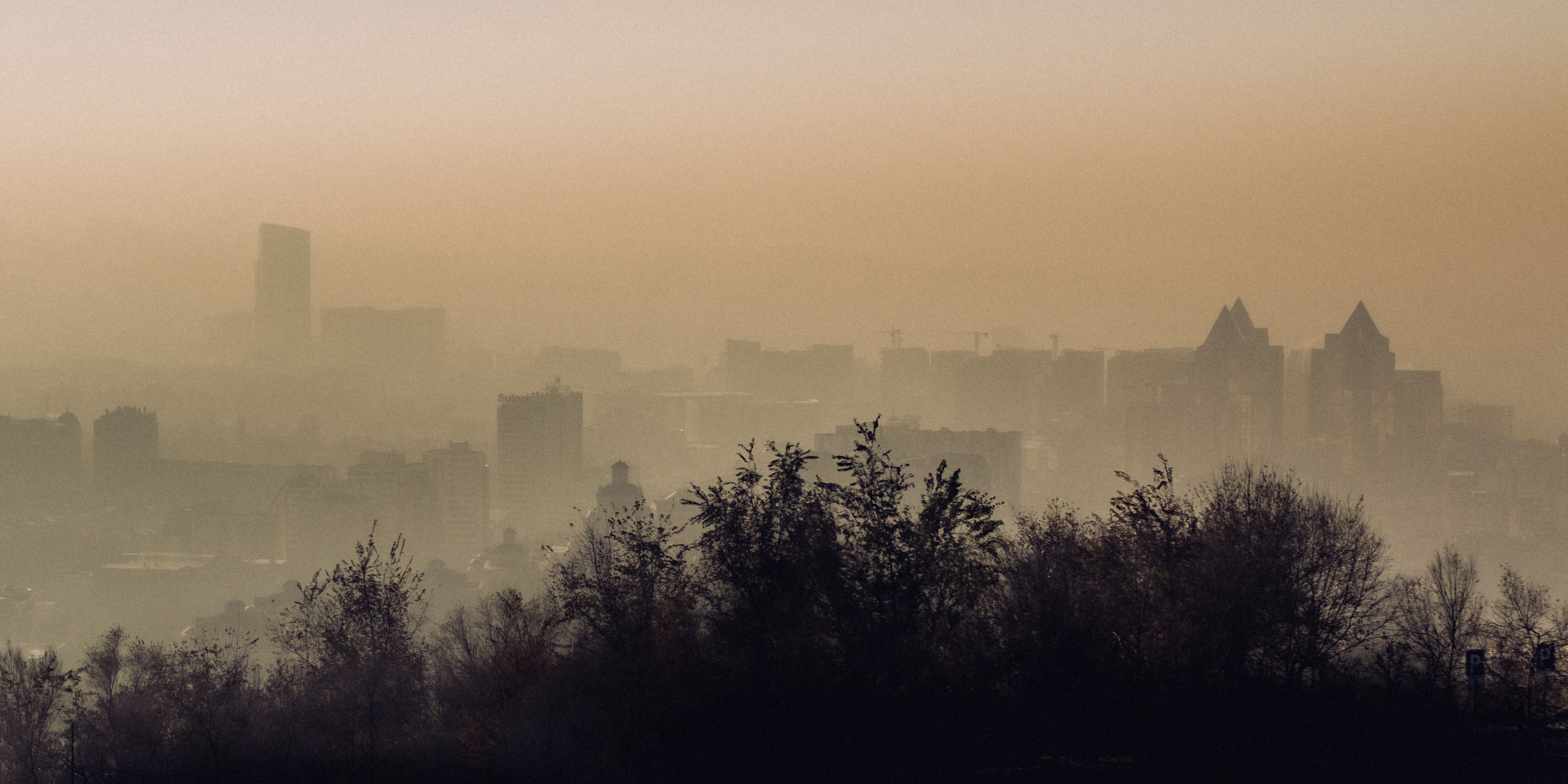
Every year, when the haze rolls back into Malaysia, most of us reach for face masks and air purifiers without giving much thought to what smoky skies do to our minds. But the psychological effects of haze are just as real as the physical ones, and they deserve just as much attention.
When the Air Pollutant Index climbs, the body enters a low-grade stress response. Cortisol levels rise, sleep quality drops, and many people report feeling unusually irritable, foggy, or anxious during prolonged haze episodes. Being confined indoors for days at a time can also trigger feelings of isolation, restlessness, or low mood, especially for people who rely on outdoor activity or sunlight to manage their mental health.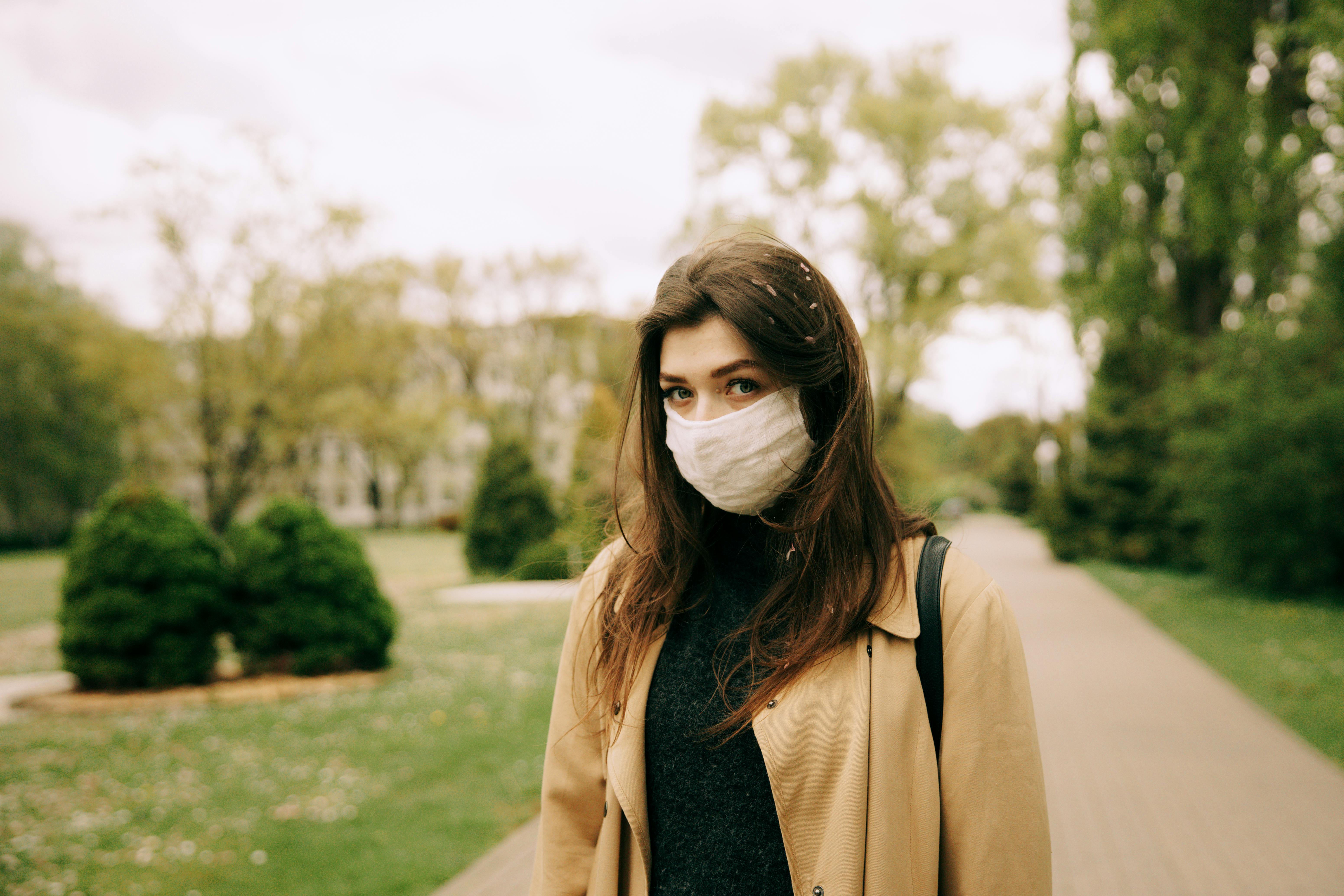
Parents often notice the shift in their children first: shorter tempers, disrupted sleep, and more difficulty concentrating on schoolwork when outdoor play is restricted. Older adults and people with pre-existing anxiety or respiratory conditions may also find their worry intensifying every time they check the air quality app.
There are ways to protect your mental wellbeing during haze season. Keep a predictable indoor routine so your days still have structure even when outdoor plans are cancelled. Use this time for low-effort connection, such as video calls or board games with family, to counter the isolation of staying inside. Light therapy lamps or simply sitting near a bright window can help offset the mood dip that comes from reduced sunlight. If you notice persistent anxiety about air quality, limiting how often you check the API reading can also help, since checking obsessively tends to heighten worry rather than resolve it.
If haze season consistently leaves you feeling low, anxious, or unable to cope, that is a sign worth taking seriously rather than brushing off as just the weather. A therapist can help you build coping strategies that carry you through Malaysia's recurring haze seasons, both for your own mental health and for supporting your family through it.