
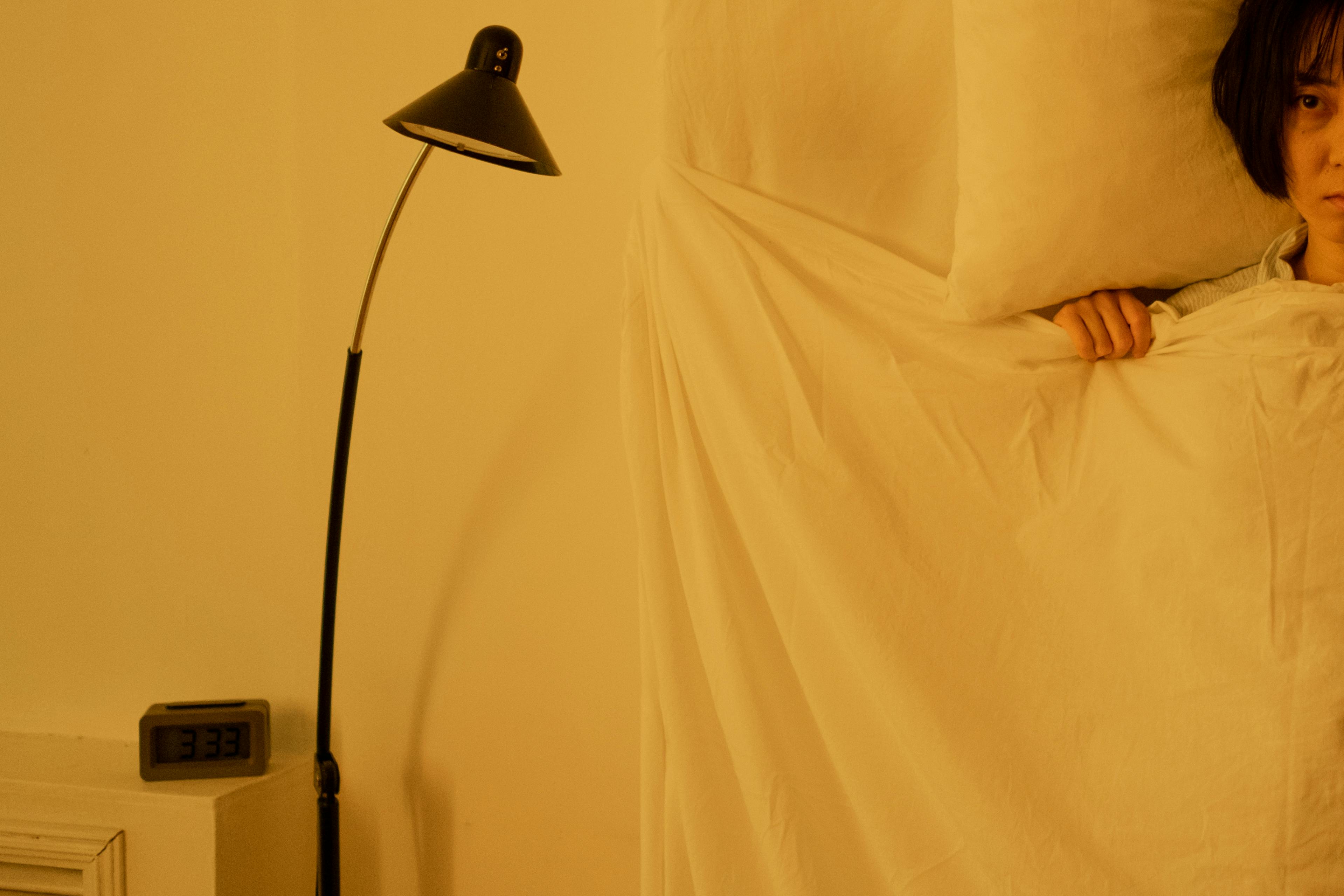
It's 1am, you're exhausted, and yet your mind refuses to switch off. Sleep and anxiety have a frustrating, circular relationship: anxiety makes it harder to fall asleep, and poor sleep makes anxiety worse the next day. Understanding this cycle is often the first step to breaking it.
When you lie down at night, there are fewer distractions to pull your attention away from worry. The brain becomes more reactive when sleep-deprived, which means anxious thoughts feel bigger and harder to control than they would during a well-rested day. This is why problems that felt manageable in the morning can suddenly feel overwhelming at 2am.
Racing thoughts at bedtime are often less about the specific worry and more about the body's stress response staying switched on. If your nervous system doesn't get the signal that it's safe to rest, no amount of willpower will make sleep come easily.
A few practical steps can help break the cycle. Set a consistent wind-down routine starting 30 to 60 minutes before bed, and keep it screen-light, since blue light and stimulating content keep the brain alert. If racing thoughts show up the moment you lie down, try keeping a notepad by your bed to write worries down and close the loop for the night, giving your brain permission to stop rehearsing them. Progressive muscle relaxation or slow breathing can also help lower physical tension that keeps you wired.
It is worth noting that occasional restless nights are normal, but if anxiety is consistently disrupting your sleep for weeks at a time, that pattern deserves attention rather than just more caffeine the next day. Chronic sleep disruption can worsen anxiety, mood, and concentration over time.
If you have tried the basics and still find yourself wide awake with a racing mind most nights, a therapist can help you address the anxiety driving it, rather than just treating the sleeplessness on its own. Sleep and mental health are deeply connected, and improving one often helps the other.