
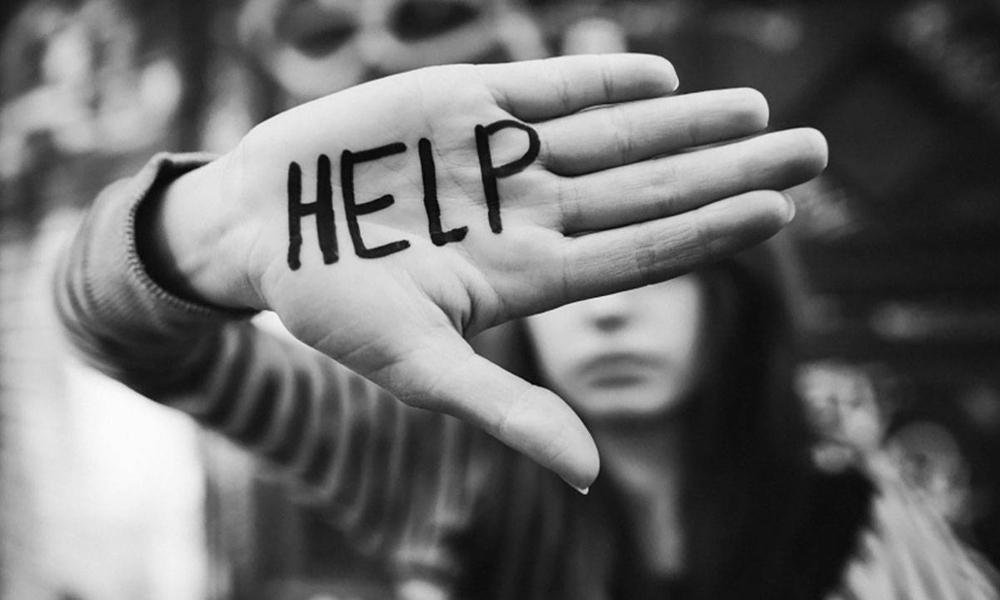
Need urgent help now? If you or someone else may act on suicidal thoughts, has a plan, has access to something dangerous, or cannot stay safe, call 999 or go to the nearest hospital Emergency Department immediately. Do not wait for an online reply or a counselling appointment. Stay with the person if it is safe to do so.
Suicide prevention Malaysia begins with one clear message: suicidal thoughts are a sign of severe emotional distress, not weakness, selfishness or failure. A person may not truly want life to end; they may desperately want unbearable pain, fear, shame or hopelessness to stop. With timely support, safety planning and appropriate professional care, that moment can change.
This suicide prevention Malaysia guide explains how to recognise possible warning signs, ask directly about suicide, respond safely and find help in Johor Bahru or elsewhere in Malaysia. It is educational information, not a substitute for an emergency or clinical assessment.
What should you do if you are having suicidal thoughts right now?
Focus only on getting through the present moment safely. You do not need to solve your whole life today.
- Move toward another person. Tell a trusted family member, friend, colleague or neighbour: “I am not feeling safe alone. Please stay with me.”
- Create distance from danger. Move away from unsafe places and ask someone you trust to secure anything that could be used for harm. Do not manage this alone.
- Get immediate help. Call 999 or go to the nearest hospital Emergency Department if you might act soon or cannot guarantee your safety.
- Call a crisis-support service. Befrienders Kuala Lumpur provides free, confidential emotional support at 03-7627 2929, 24 hours daily. Talian HEAL 15555 operates daily from 8:00 a.m. to 12:00 midnight, and Talian Kasih is available 24 hours at 15999 or WhatsApp 019-261 5999.
- Delay major decisions. A crisis can narrow your view of what is possible. Let another person help you stay safe while the intensity passes and professional support is arranged.
A safe suicide prevention Malaysia response prioritises immediate human contact and emergency care before any routine therapy booking.
What are the warning signs of suicide?
Warning signs can be spoken, behavioural or emotional. One sign alone does not prove that a person is suicidal, but a new, intense or worrying change should never be dismissed.
Possible signs include:
- Talking about wanting to die, disappear or never wake up
- Saying they feel hopeless, trapped, worthless or like a burden
- Searching for a way to end their life or making preparations
- Giving away meaningful possessions or sending unusual goodbye messages
- Withdrawing from family, friends, work, school or usual activities
- A sudden increase in alcohol or substance use, agitation or risky behaviour
- Major changes in sleep, mood or daily functioning
- An unexpected calm after a period of severe distress, especially if other warning signs are present
The World Health Organization advises that thoughts of suicide or self-harm indicate severe emotional distress and that help is available. Trust your concern. It is better to ask and discover that the person is safe than to stay silent because you are afraid of saying the wrong thing.
Does asking someone about suicide put the idea in their mind?
No. Asking calmly and directly does not create suicidal thoughts. It can make it easier for a distressed person to tell the truth and receive help. Direct questions are an important part of suicide prevention Malaysia because vague language can leave serious risk hidden.
You can ask:
- “Are you thinking about suicide?”
- “Are you thinking about ending your life?”
- “Do you have a plan, or do you feel you may act soon?”
- “Can you stay safe while we get help together?”
Use the word suicide clearly. Speak in a calm tone, listen without interrupting and thank the person for telling you. You are not promising to fix everything; you are showing that they do not have to carry the crisis alone.
How do you help someone who says they are suicidal?
1. Take every disclosure seriously
Do not label it as drama, manipulation or attention-seeking. Even if the person has spoken about suicide before, each disclosure deserves a fresh safety response.
2. Listen without arguing
Avoid debating whether their problems are “bad enough.” Try saying:
- “I am glad you told me.”
- “I am here with you.”
- “Let us get through this moment together.”
3. Check whether the danger is immediate
Ask whether they have a plan, whether they can access something dangerous and whether they feel likely to act soon. If the answer suggests immediate danger, or if you are unsure, call 999 or take them to the nearest Emergency Department.
4. Do not leave them alone
Stay physically present or arrange for a responsible, trusted adult to stay with them. If you are supporting them remotely, confirm their location and contact someone who can safely reach them. Do not put your own safety at risk.
5. Reduce access to danger
Where it can be done safely, ask another trusted person to secure dangerous items and move the person away from unsafe locations. This is not punishment or control. It creates time for the crisis to ease and help to arrive.
6. Connect them to help now
Do not simply give them a telephone number and walk away. Sit with them while they call, accompany them to hospital, or help them contact a family member or mental health professional. Access to suicide prevention Malaysia resources becomes more effective when a distressed person is supported through the first contact.
What should you avoid saying?
Well-intended comments can increase shame or make someone stop talking.
Avoid statements such as:
- “Other people have it worse.”
- “Just think positively.”
- “You have everything. Why would you feel this way?”
- “You are only doing this for attention.”
- “Promise me you will never do it.”
- “Do not tell anyone. This stays between us.”
Instead, acknowledge the pain without agreeing that suicide is the answer:
“I can hear how unbearable this feels. Your safety matters, and I am going to help you connect with support.”
Never promise secrecy when a life may be at risk.
Can counselling help with suicidal thoughts?
Yes. Counselling or psychotherapy can support recovery when it forms part of an appropriate care plan.
Therapy may help a person:
- Understand their emotional triggers
- Regulate overwhelming emotions
- Address depression, grief, trauma or relationship distress
- Strengthen coping skills
- Develop a personalised safety plan
- Rebuild connection, hope and daily functioning
Some people may also require assessment and treatment from a clinical psychologist, psychiatrist or medical doctor.
However, scheduled counselling is not emergency care. If a person is in immediate danger, emergency services and the nearest hospital must come first.
After immediate safety is established, registered counselling at PsyCore or psychotherapy in Johor Bahru may support ongoing recovery.
At PsyCore Psychology & Mind Therapy Centre in Permas Jaya, Johor Bahru, our role in suicide prevention Malaysia is to provide scheduled, confidential psychological support, not a 24-hour crisis response. Website forms, WhatsApp messages and social-media accounts may not be monitored immediately and should never be used instead of 999 during an emergency.
Where can you get suicide-prevention help in Malaysia?

Frequently asked questions
Is talking about suicide always an emergency?
Every disclosure should be taken seriously. Immediate emergency action is needed when the person has a plan, access to danger, intends to act soon or cannot stay safe.
When there is no immediate danger, prompt assessment and professional support are still important.
What if the person refuses help?
Stay calm and do not abandon them. If you believe there is immediate danger, call 999 even if they object.
If the risk does not appear immediate, continue listening, involve a trusted support person and encourage a prompt mental health assessment.
Should I keep suicidal thoughts confidential?
No, not when safety may be at risk. Tell the person you care about them too much to manage this alone.
Share information only with people or services needed to protect them, such as a trusted family member, emergency responder or healthcare professional.
Can someone recover after having suicidal thoughts?
Yes. Suicidal crises can change, and many people recover with timely support, treatment, connection and practical changes to reduce risk.
The most important step is to involve help early and avoid facing the crisis alone.
Can I book PsyCore for crisis intervention?
PsyCore offers scheduled counselling, psychotherapy and psychological support, but it is not an emergency service.
For immediate danger, call 999 or go to the nearest hospital Emergency Department first. Routine support can be arranged after safety has been established.
You do not have to carry this alone
Effective suicide prevention Malaysia efforts start by noticing distress, asking clearly, staying present and connecting the person with the right level of help.
If this article describes how you feel today, please tell someone now. If you cannot stay safe, call 999 or go to the nearest Emergency Department.
A conversation, a call or one safe next step can create the time needed for the situation to change.
This article is for general education and does not provide a diagnosis, individual treatment or emergency care.